To support many of our clients with complex needs, we work collaboratively with organisations across Sussex. This creates a more seamless recovery pathway for clients to follow in their journey to heal from addiction. Many clients benefit from this in our Addiction Services, including Jason. This is his story.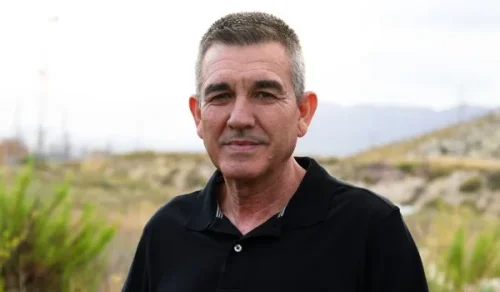
In May 2025, we received a referral for Jason, a man in his 50s with a decades long history of substance use. Jason was consuming approximately one litre of vodka daily, alongside opiate substitute treatment (OST) for several years. Medical professionals warned that without intervention, he faced a high risk of death within months.
Jason’s situation presented complex challenges. Change, Grow, Live (CGL) were working with Jason and had identified him as high risk for suicide and opiate overdose, medium risk for violence, and high risk for neglect. His history included suicidal ideation, violent command hallucinations, low mood, and feelings of helplessness, compounded by childhood trauma, physical health issues, and approximately 30 hospital admissions in the previous year. Jason denied the severity of his issues, and would frequently self-discharge from hospital, often relapsing soon after.
Jason had declined repeated offers of residential treatment from CGL due to financial pressures and his employment. However, he accepted he needed to change and was referred to Passmores House for an alcohol detox.
Prior to his admission to Passmores, Jason fell down a flight of stairs and was taken to hospital, where he completed an initial alcohol detox. During his 6 weeks stay as an inpatient, Jason was caught drinking on the ward on numerous occasions, highlighting the severity of his addiction.
Through exceptional multi-agency collaboration, Jason was supported to attend a rehab assessment while still hospitalised. At the time, Jason could barely walk, arriving in a hospital gown and managing only a few steps. In June 2025, he was discharged directly from hospital to our Detox Support Project.
This seamless transition, facilitated by hospital staff, CGL referral and clinical teams, and BHT Sussex Addiction Services, marked a turning point. Over the next 12 weeks, Jason made remarkable progress. He began walking to community fellowship meetings, engaged in gardening projects, began cooking for his house peers and embraced the rehab lifestyle. His active participation reflected a significant shift from instability to recovery.
This case demonstrates the power of coordinated multi-agency efforts in supporting individuals with complex needs. While Jason’s recovery journey continues, his transformation from high-risk instability to active engagement in rehabilitation represents a significant and hopeful step forward.